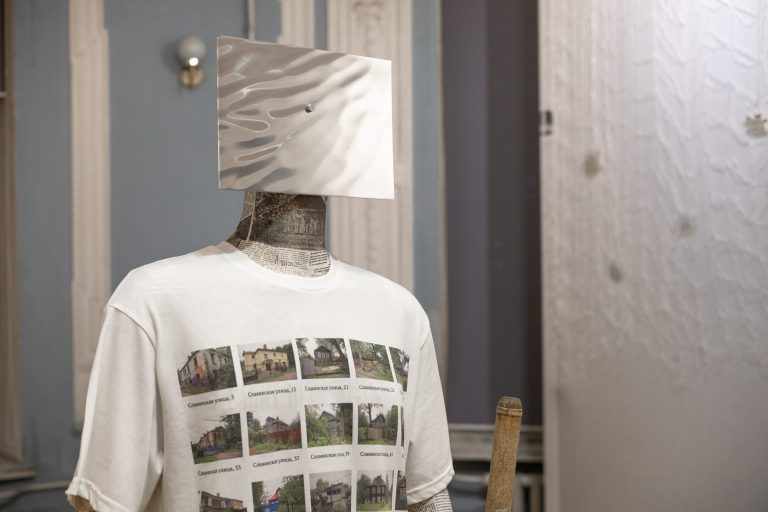
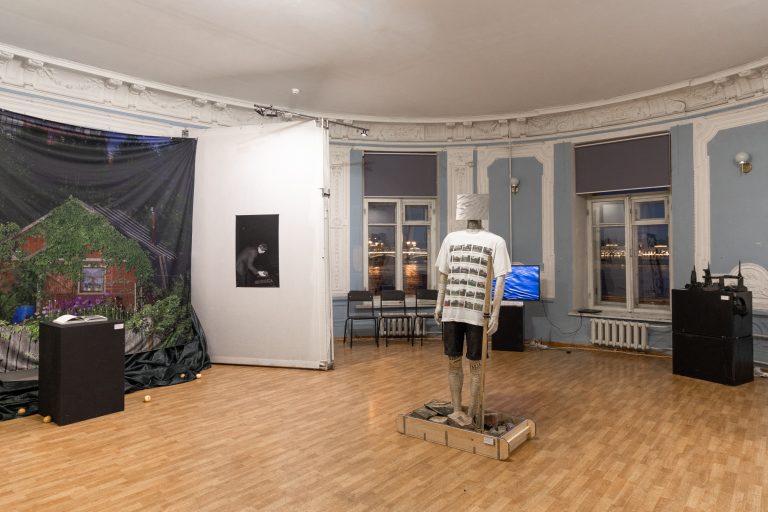
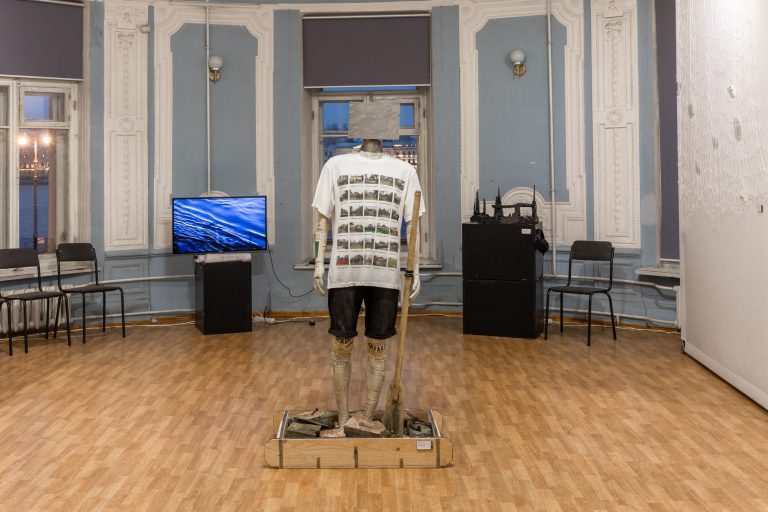
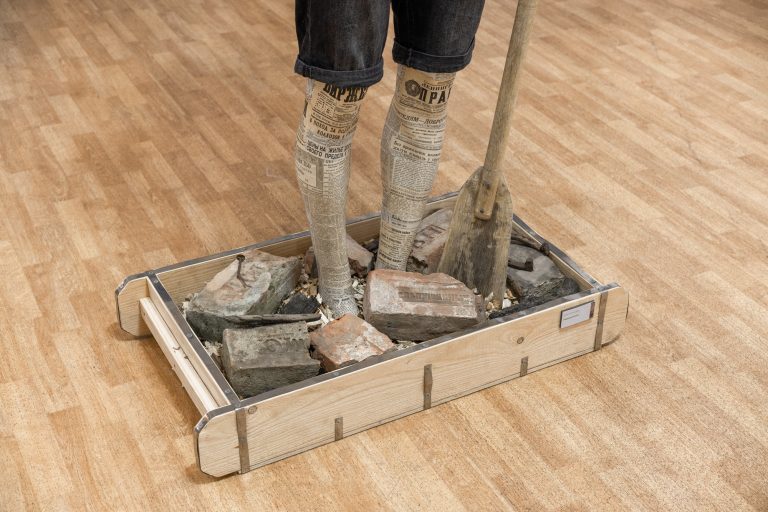
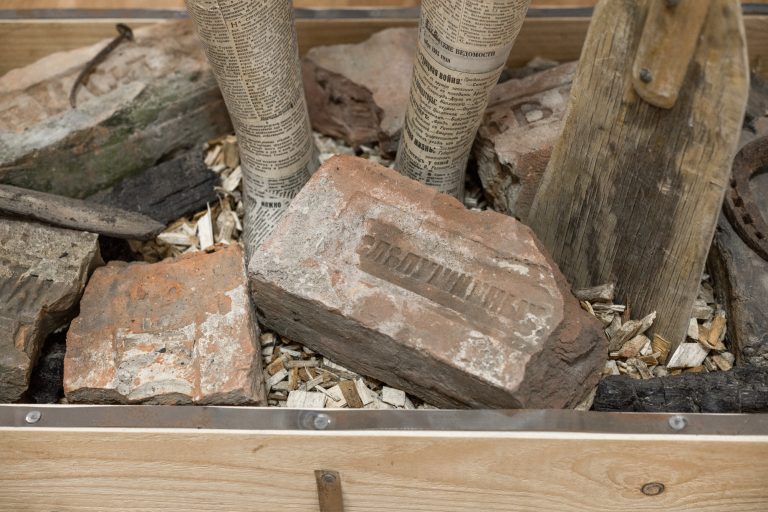
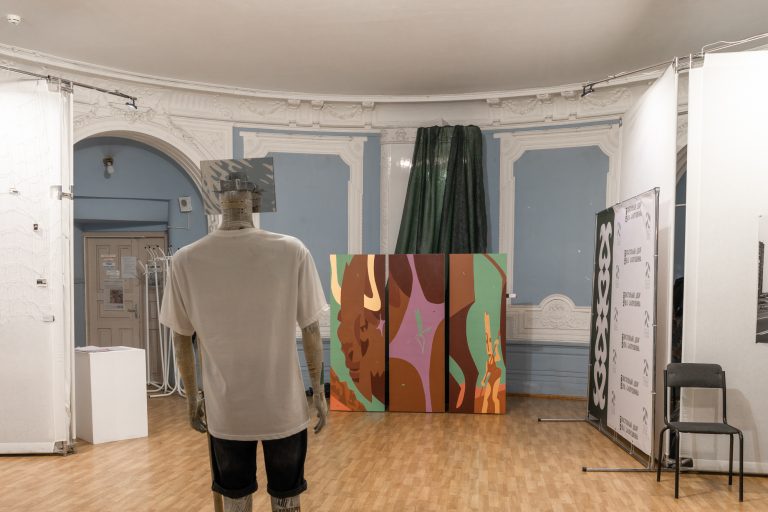
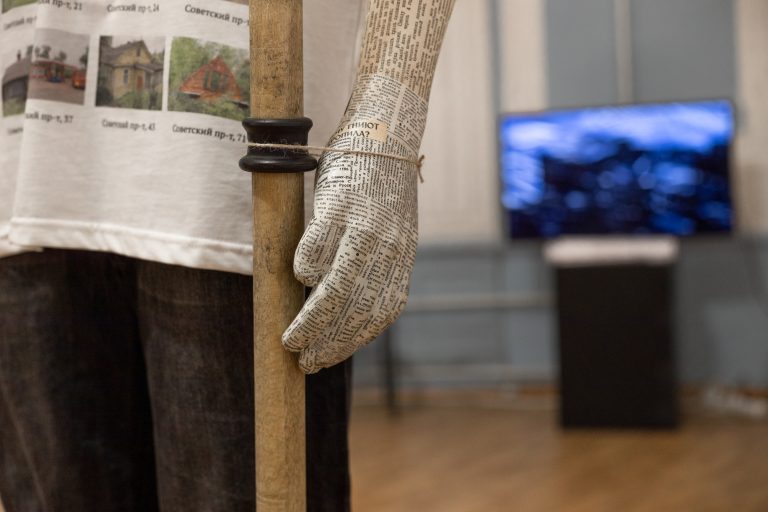
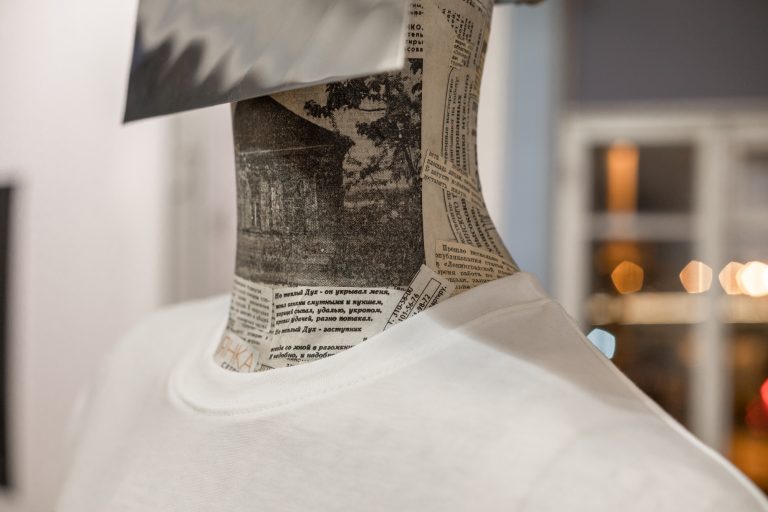
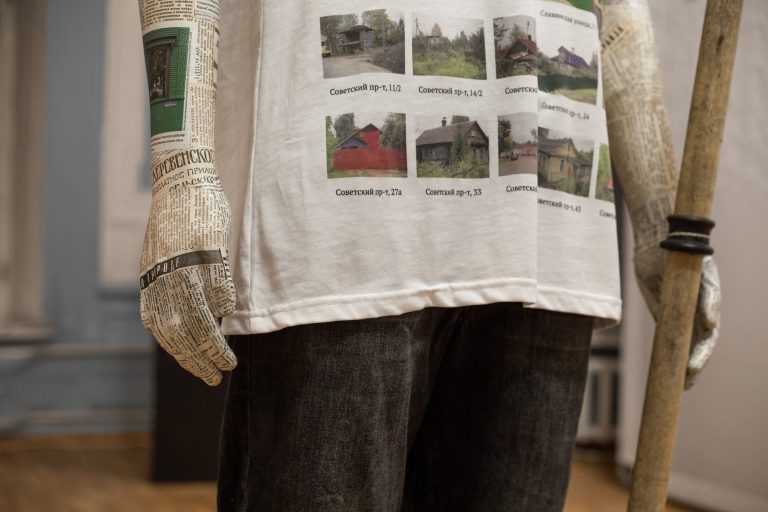
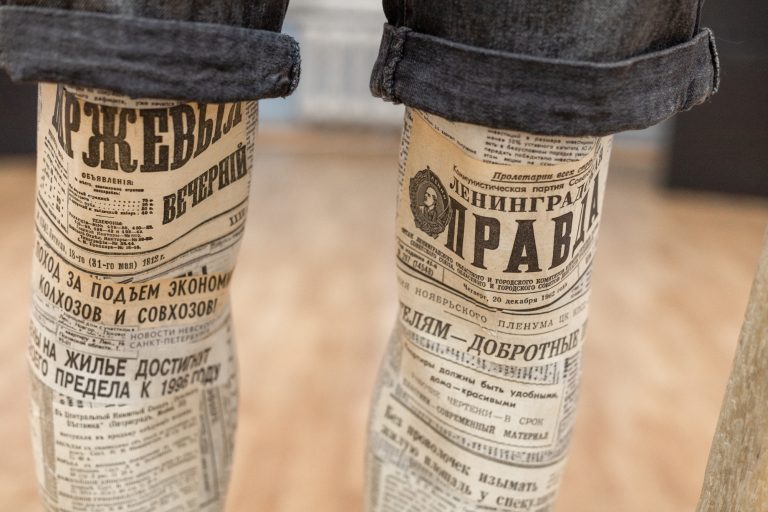
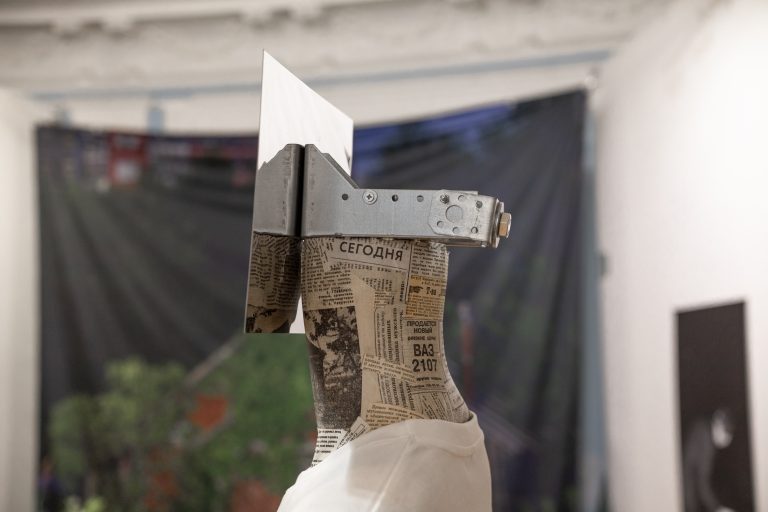
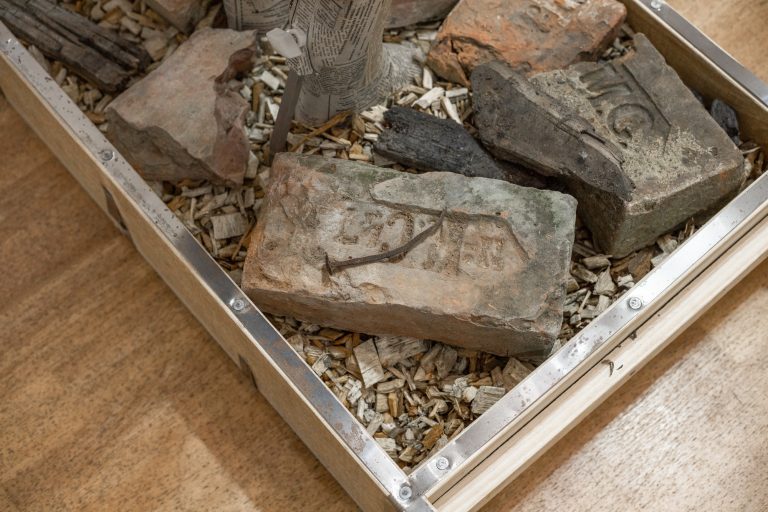
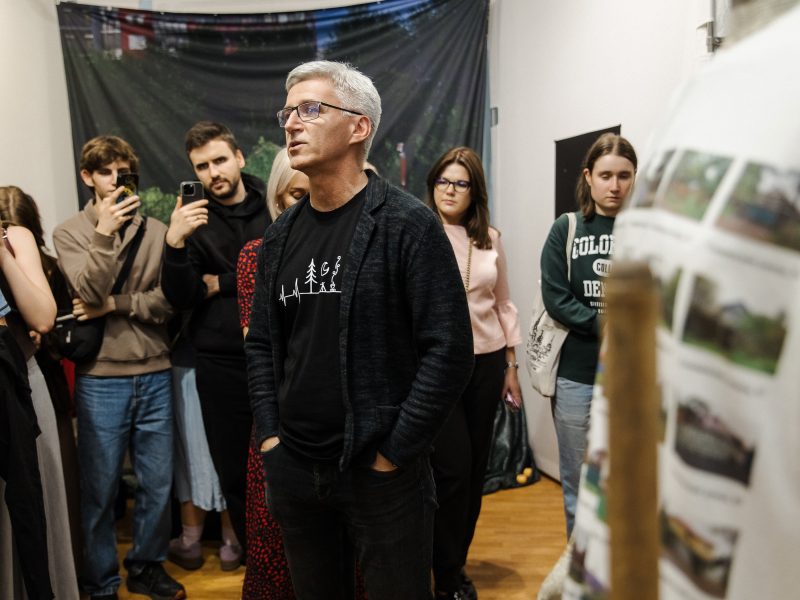
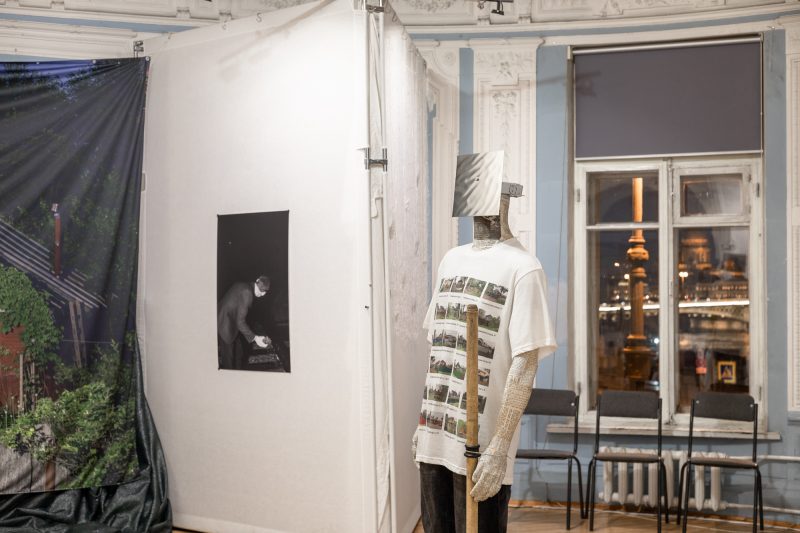
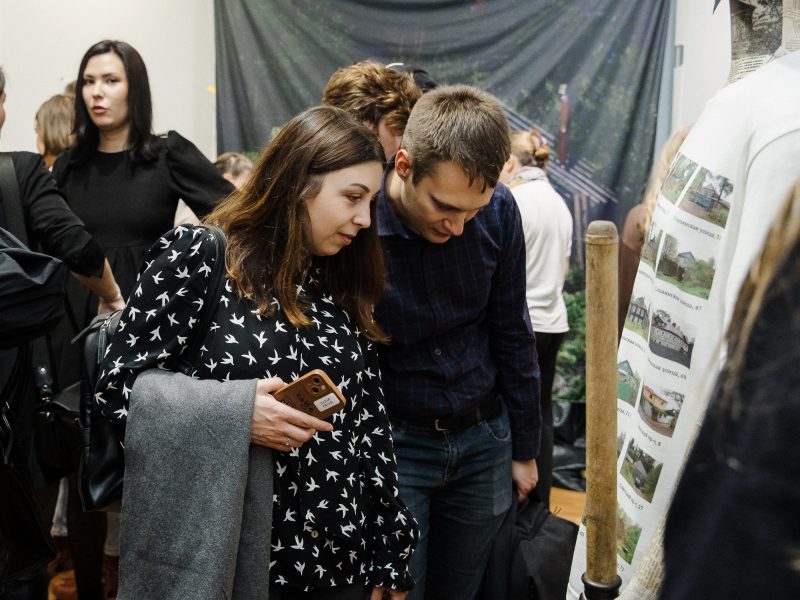
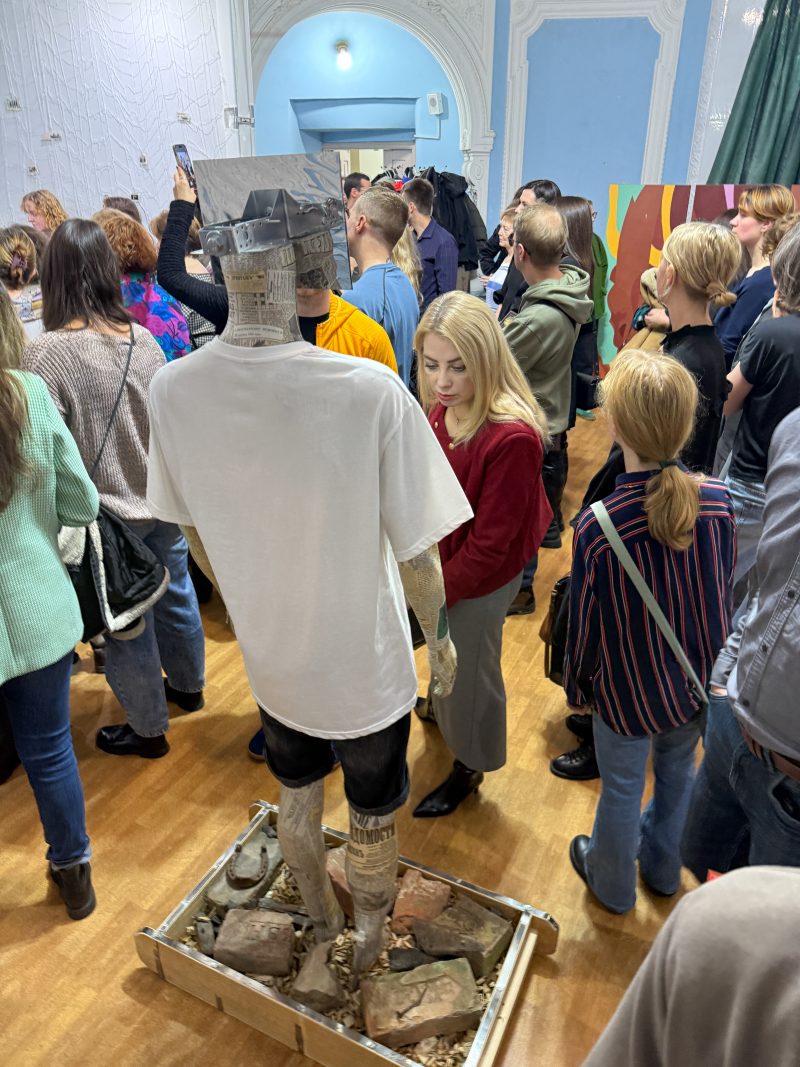
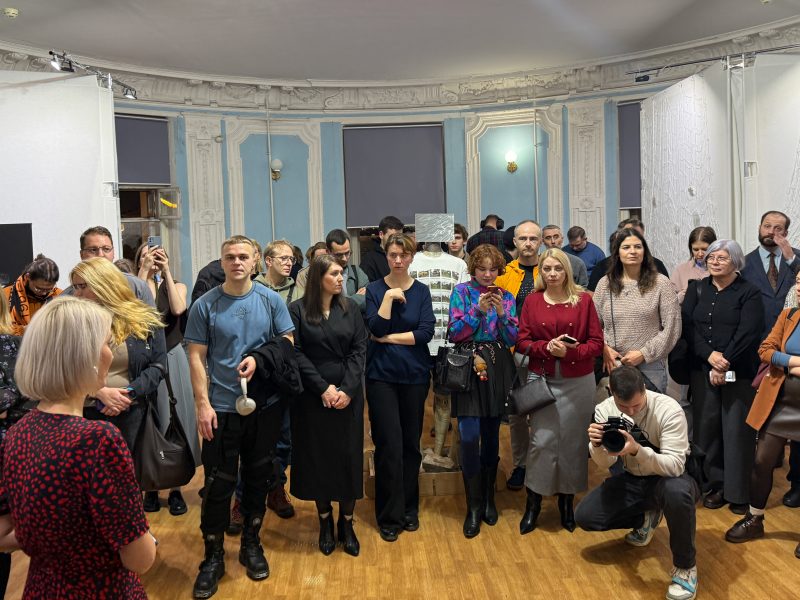
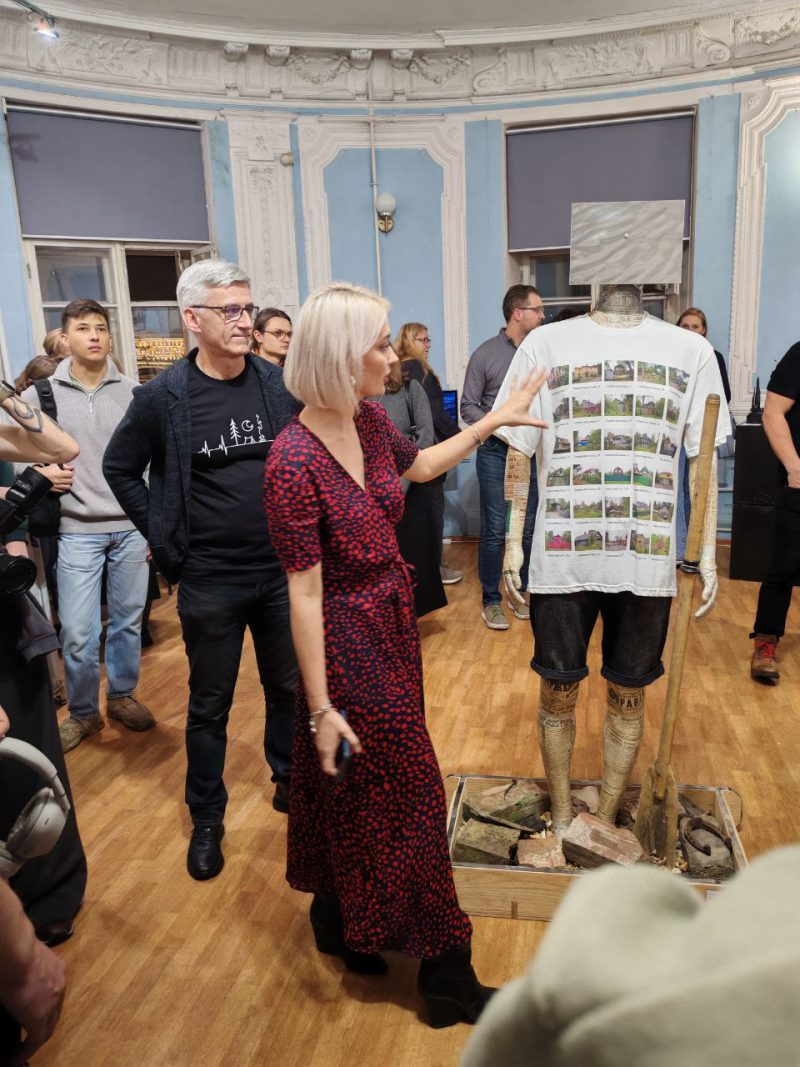
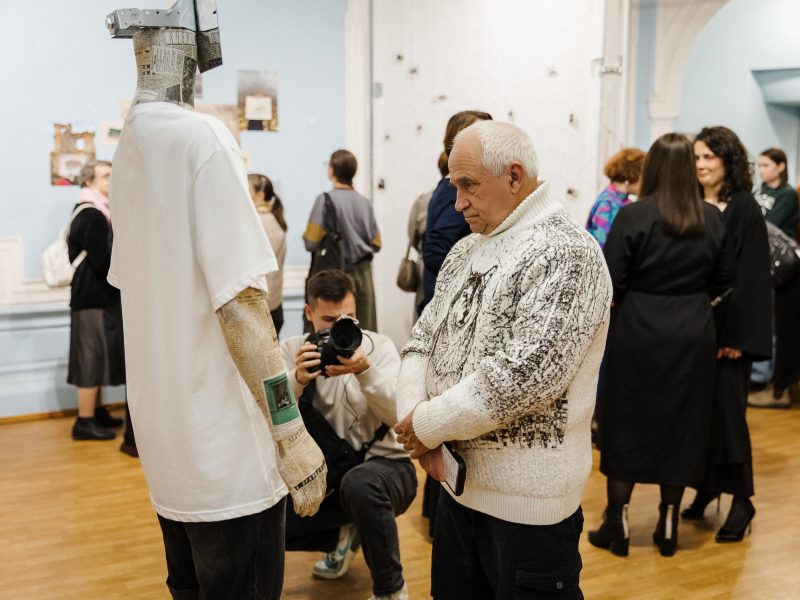
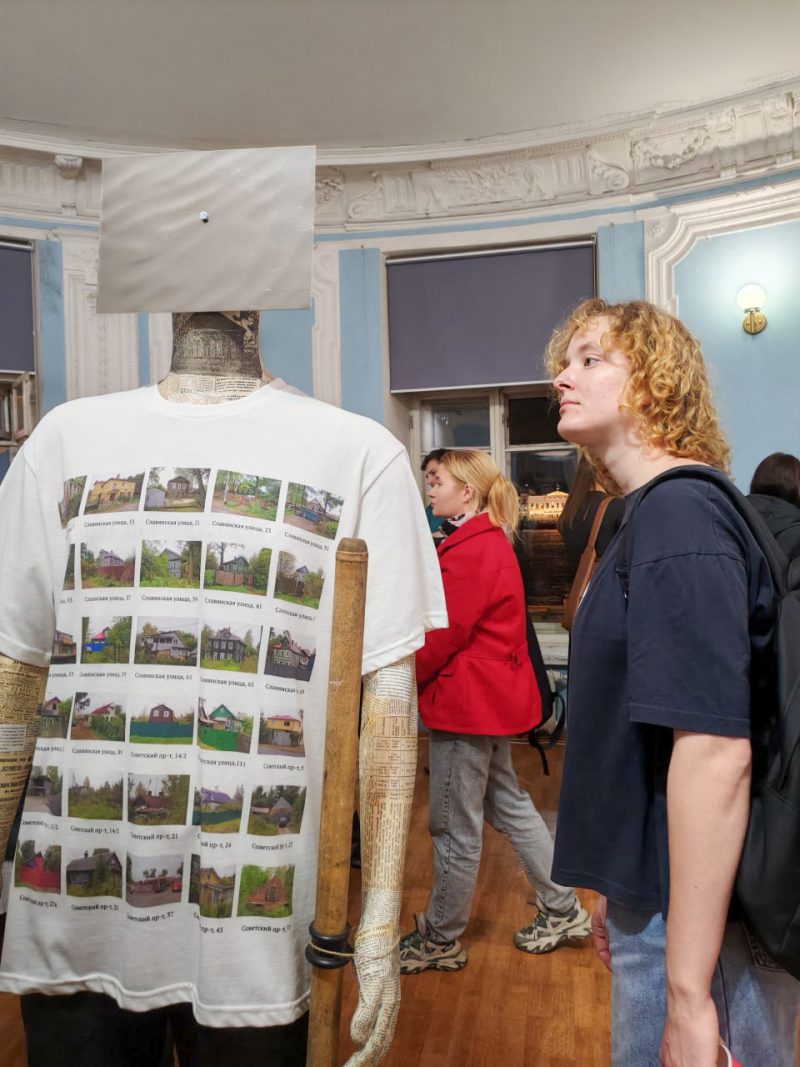
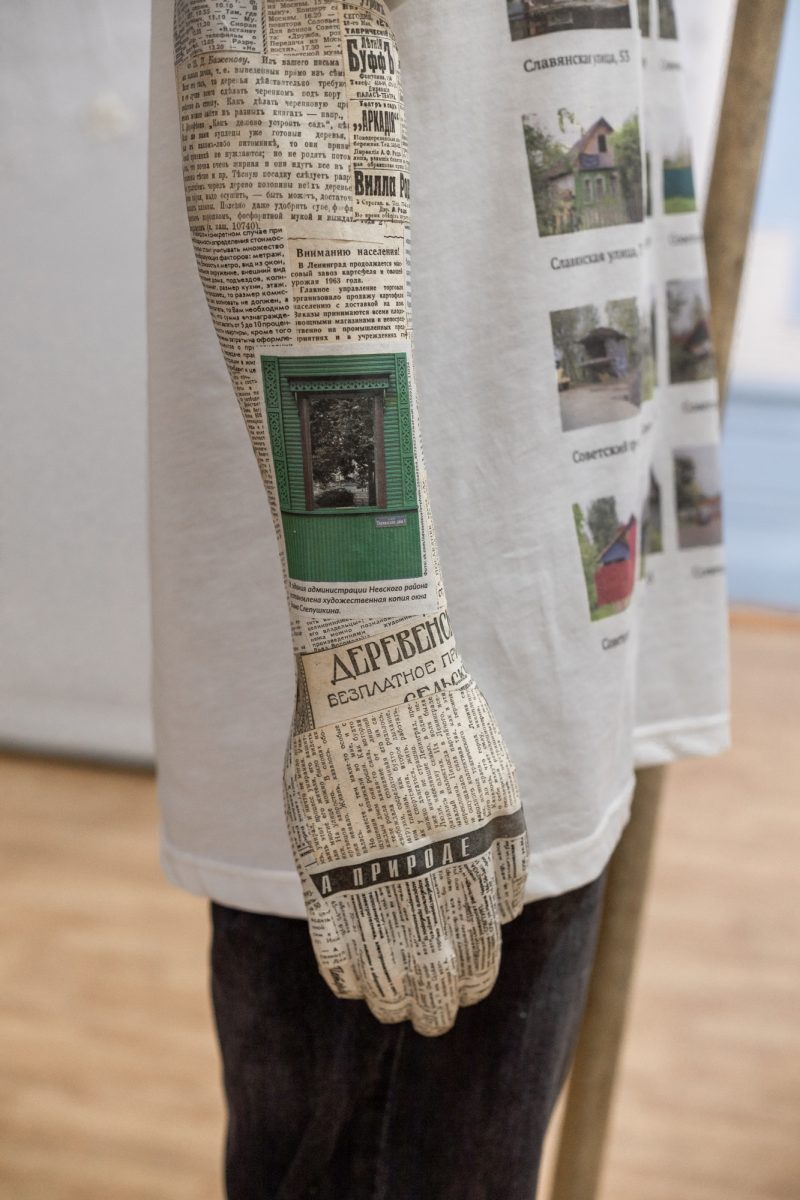
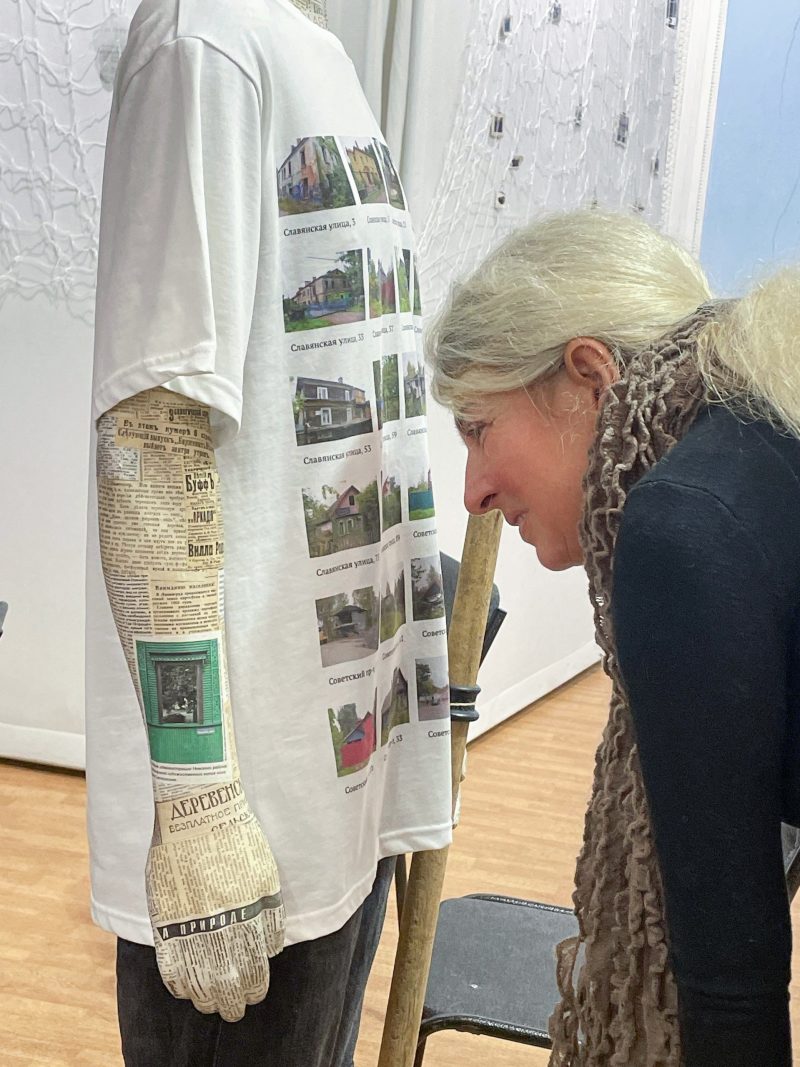
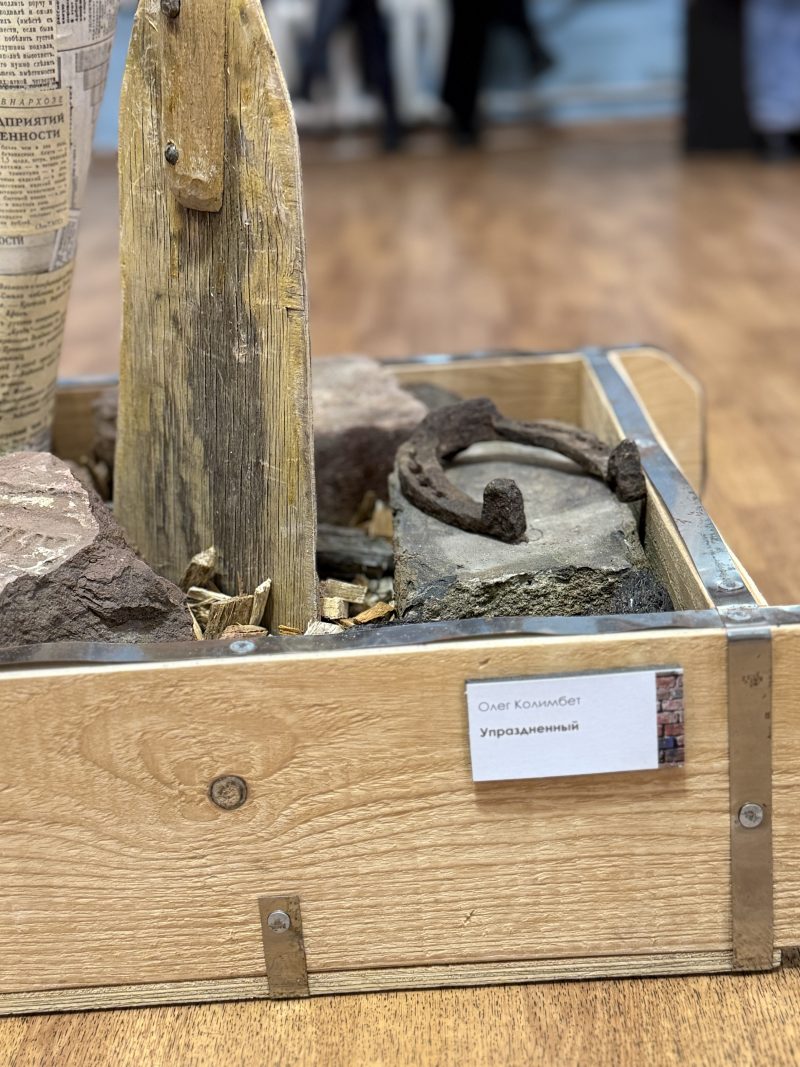
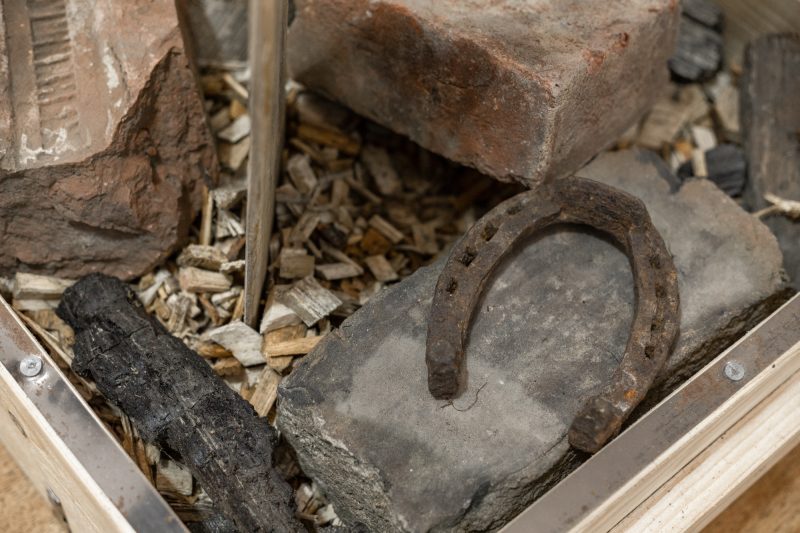
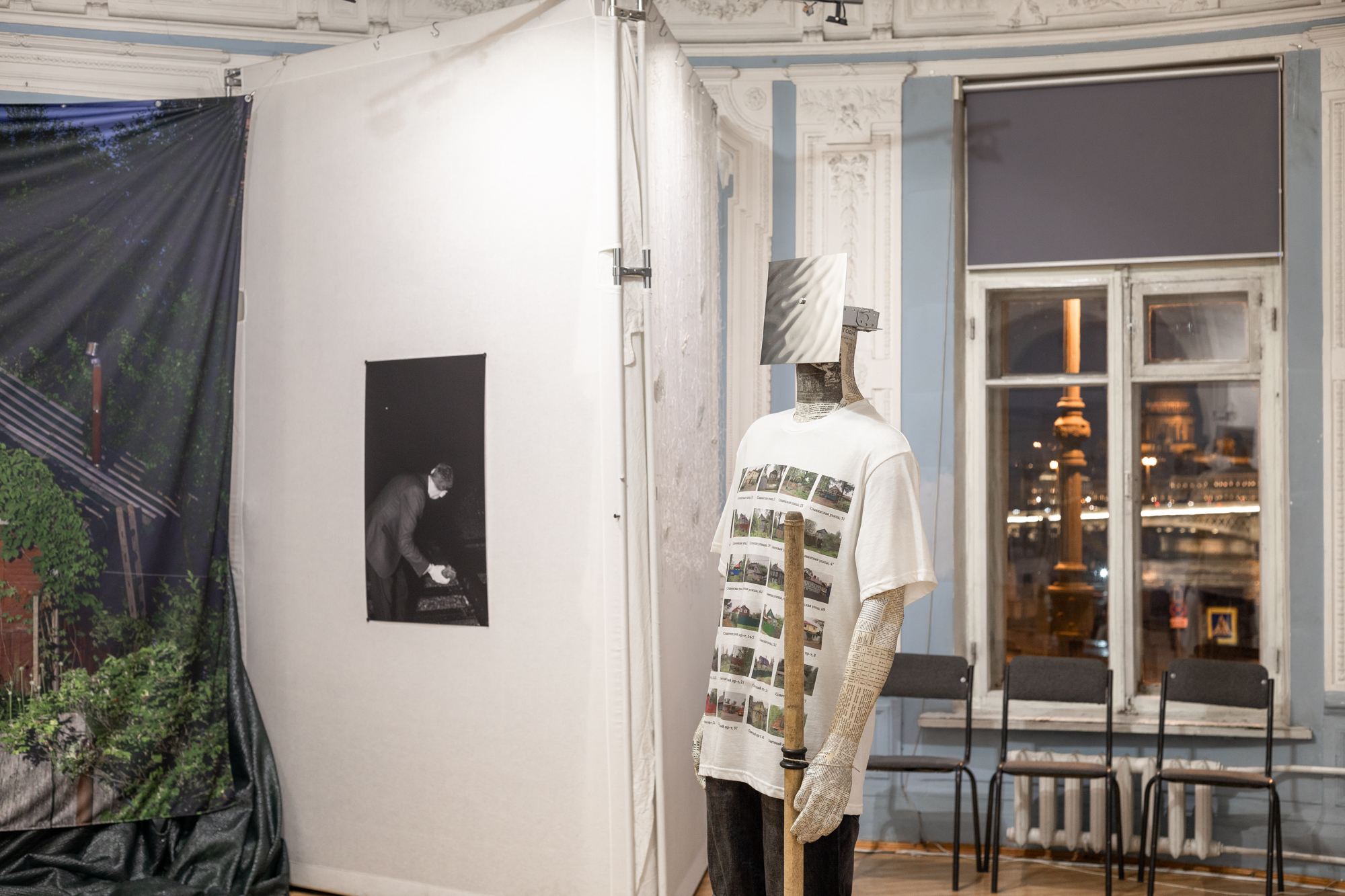
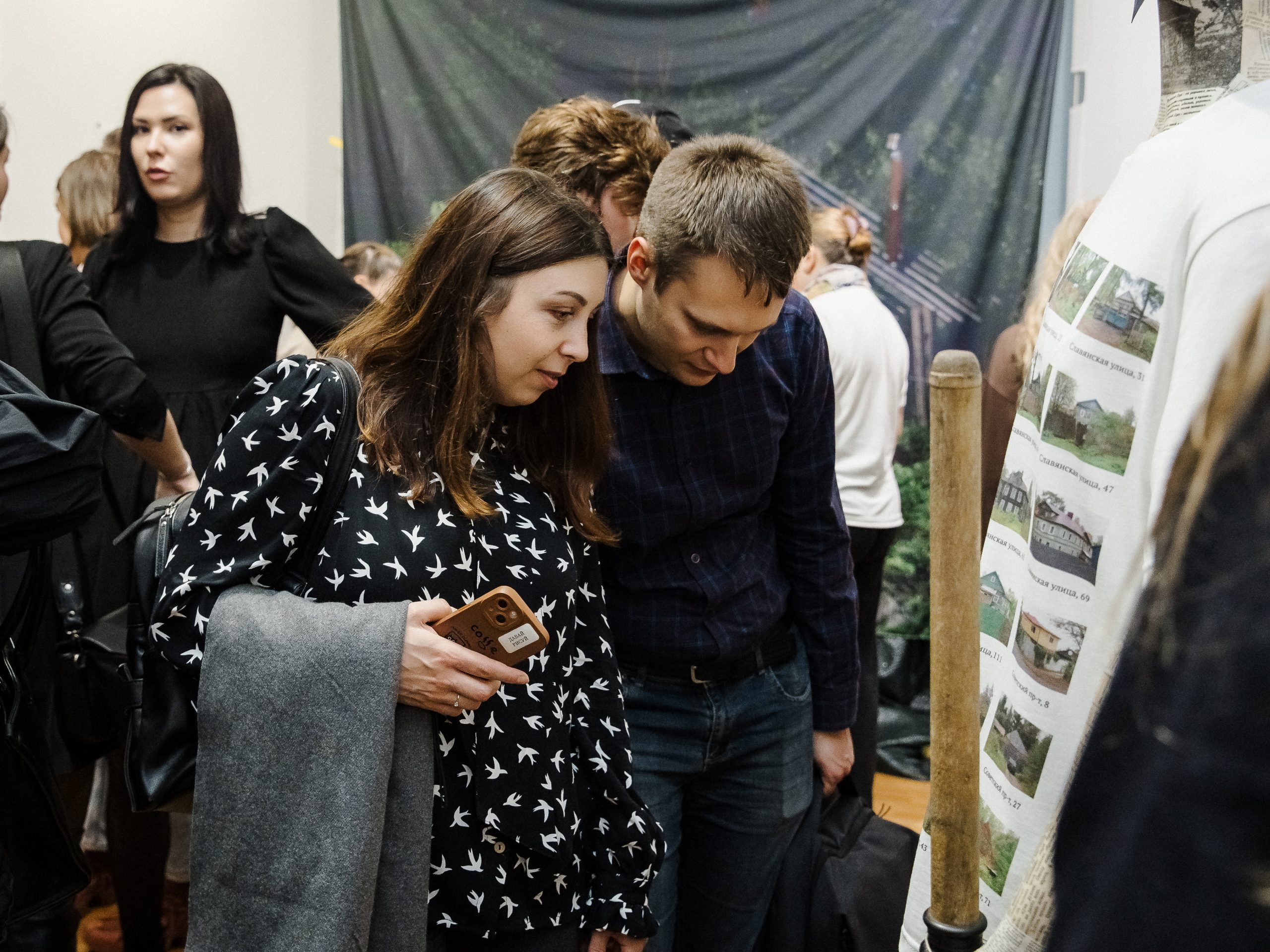
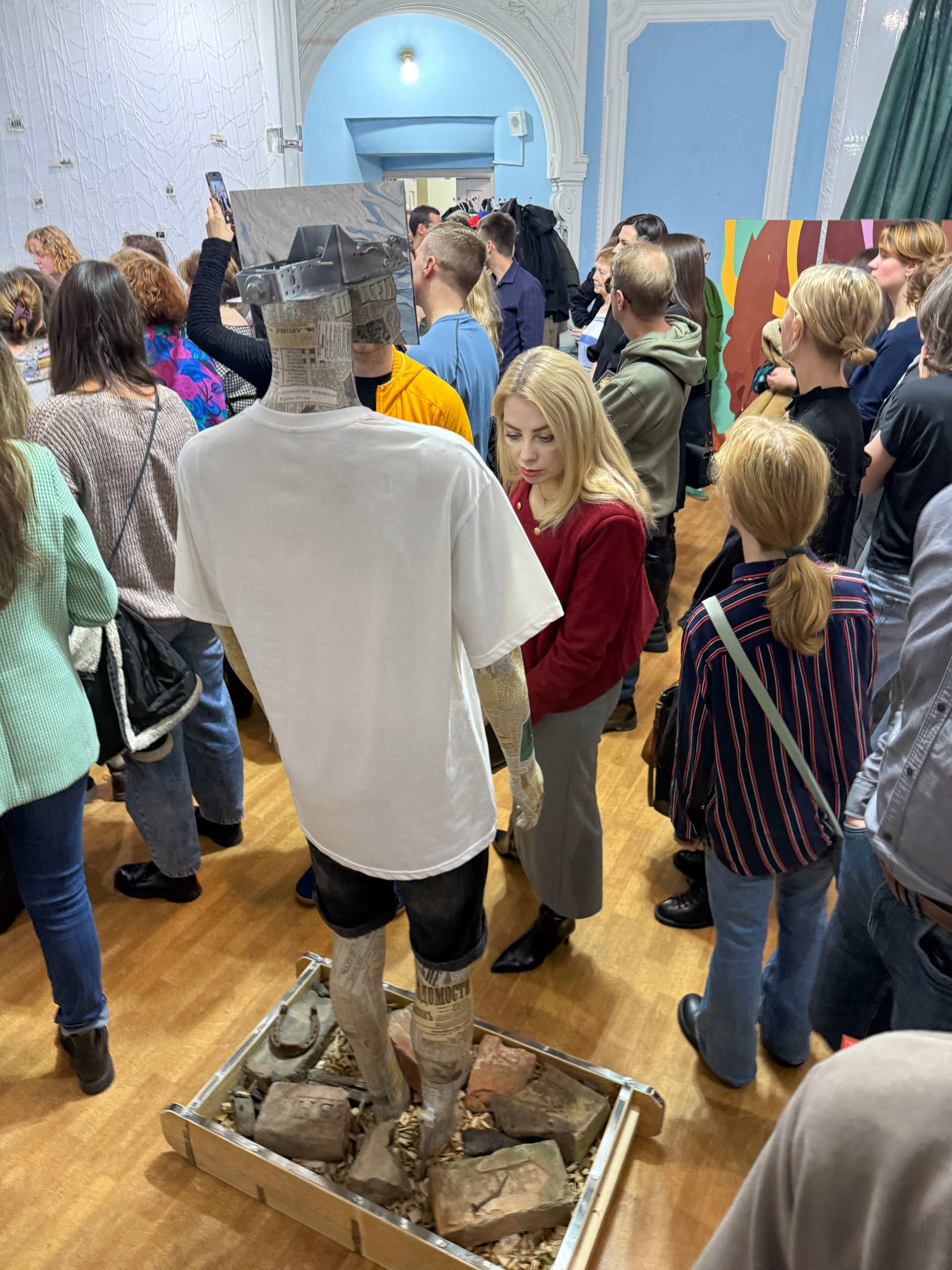
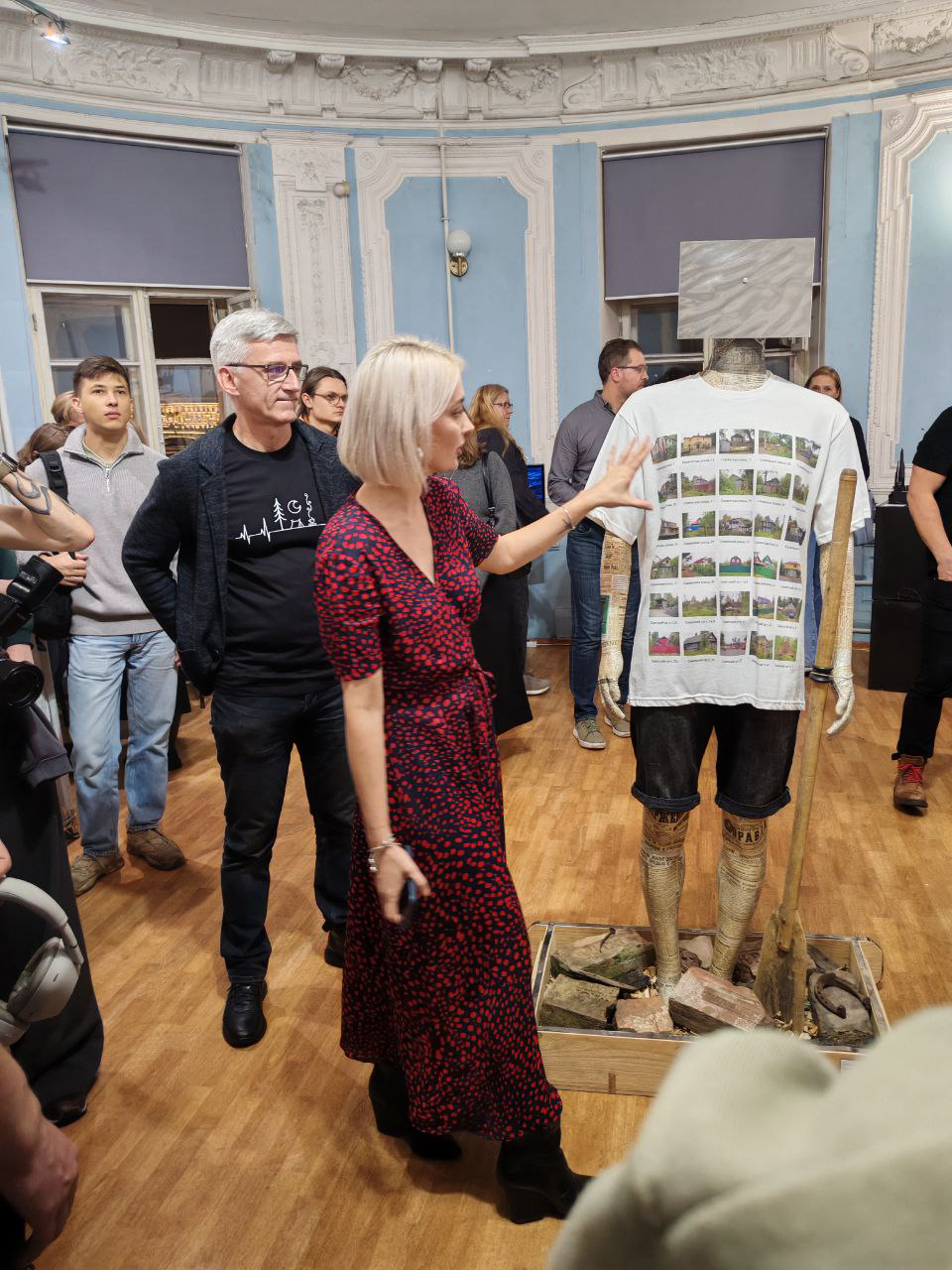
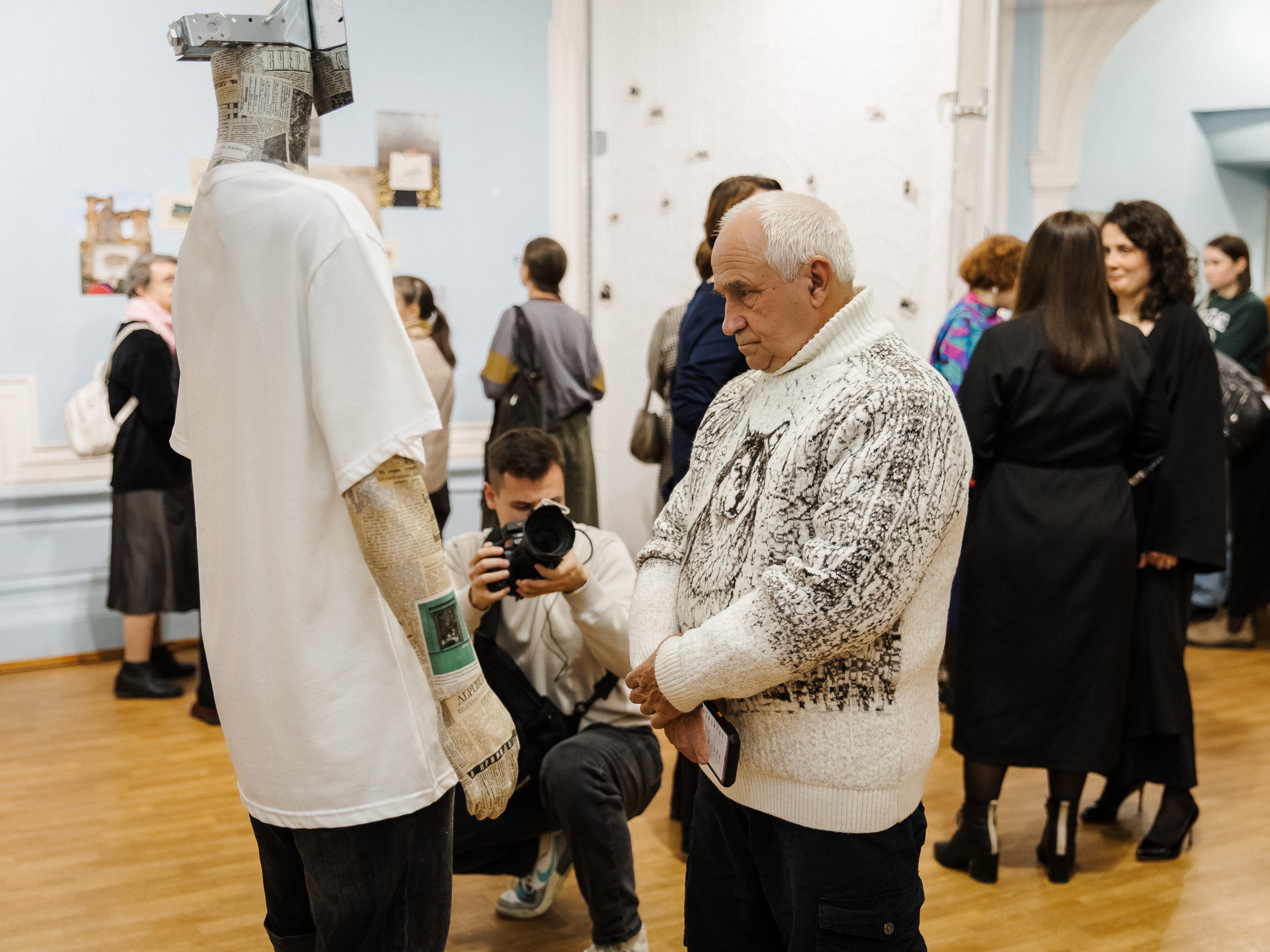
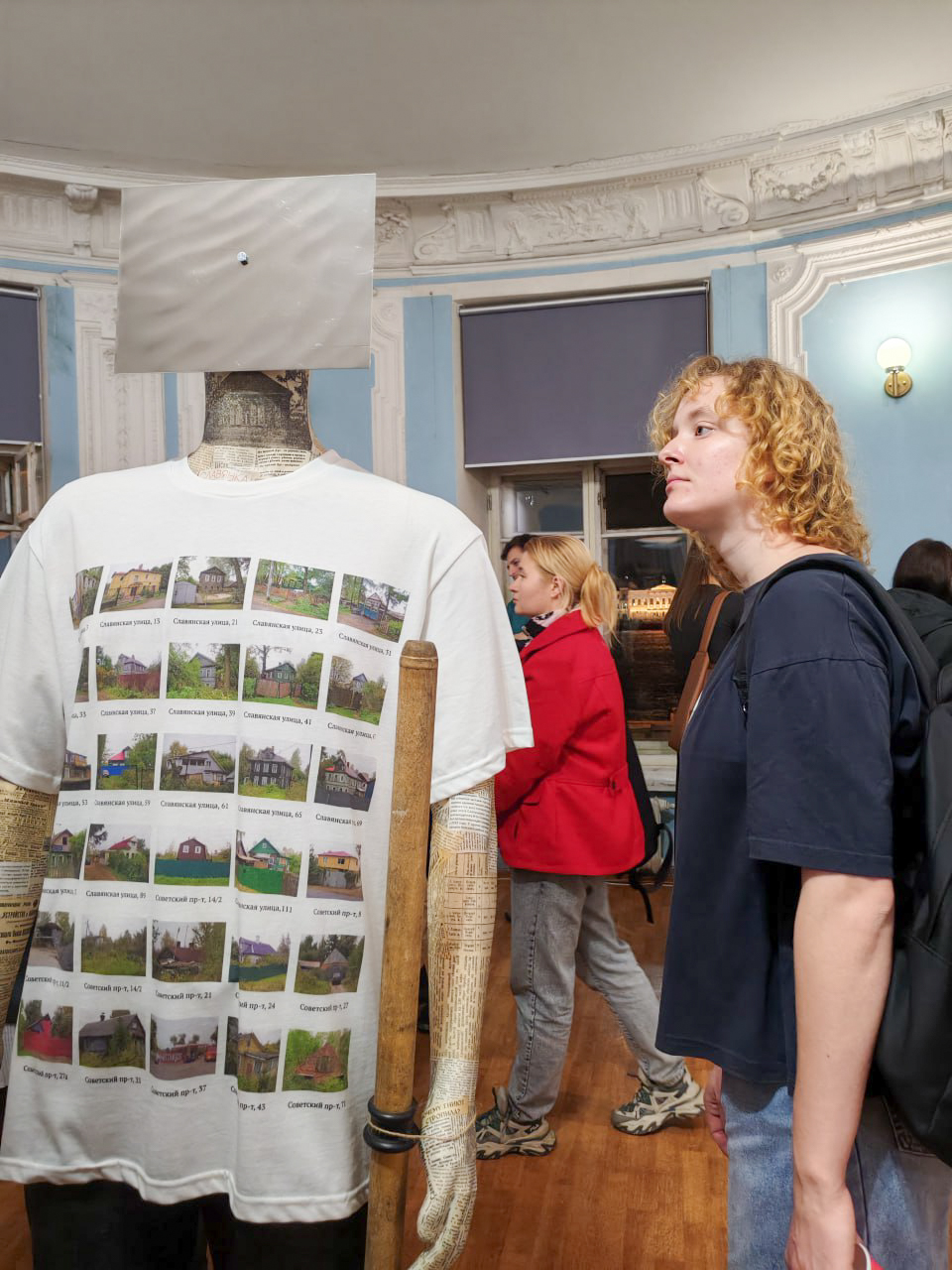
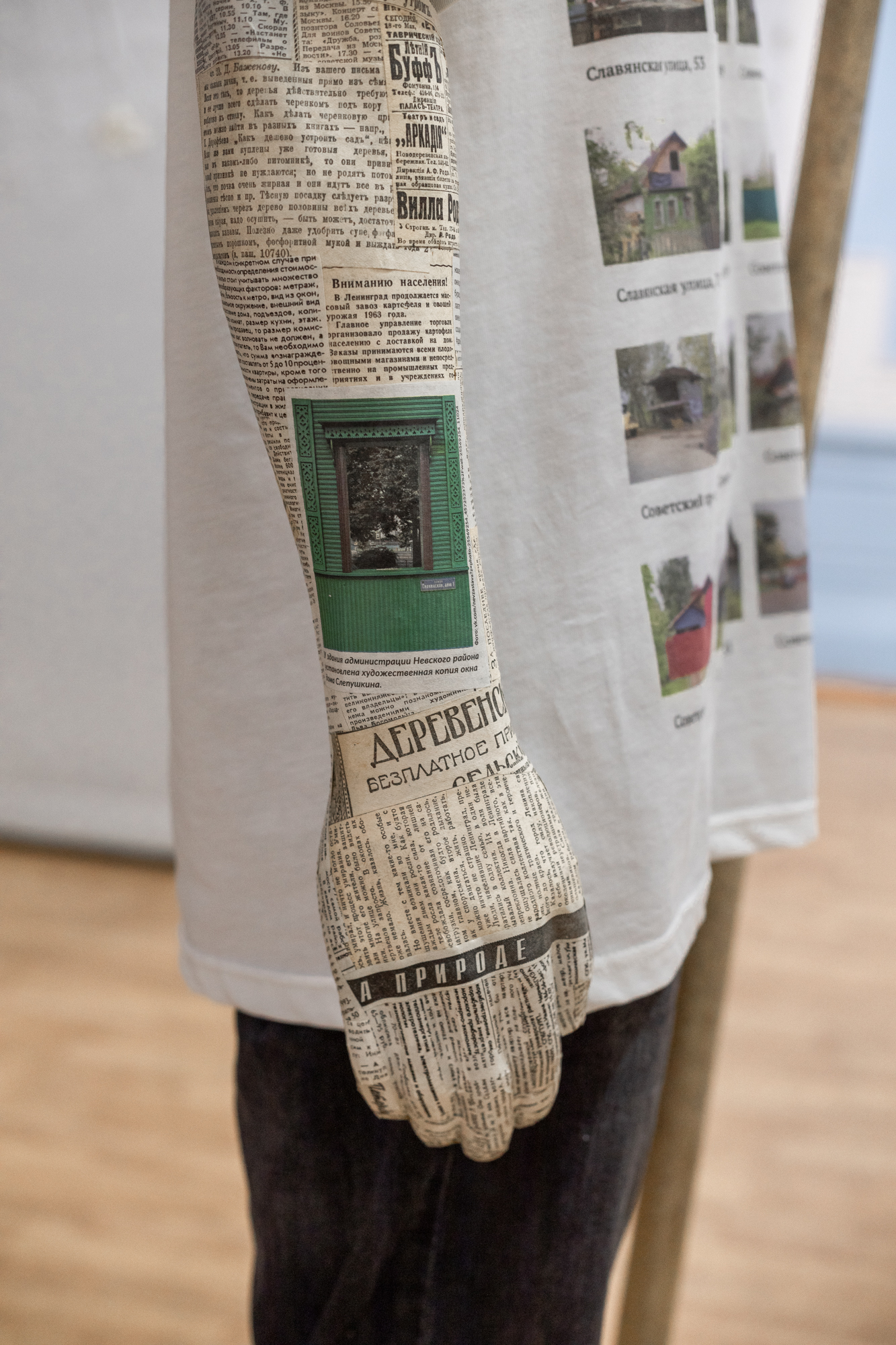
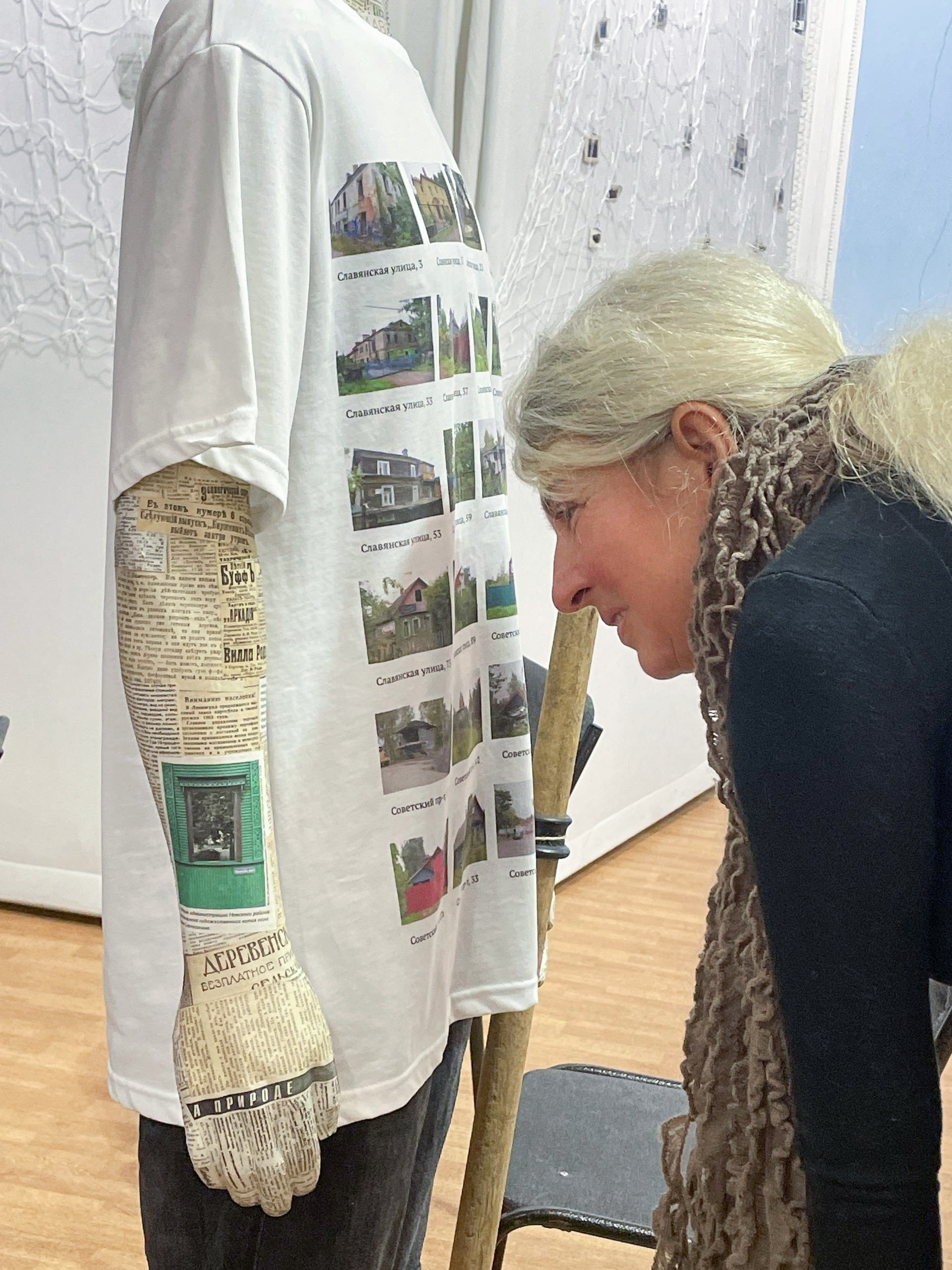
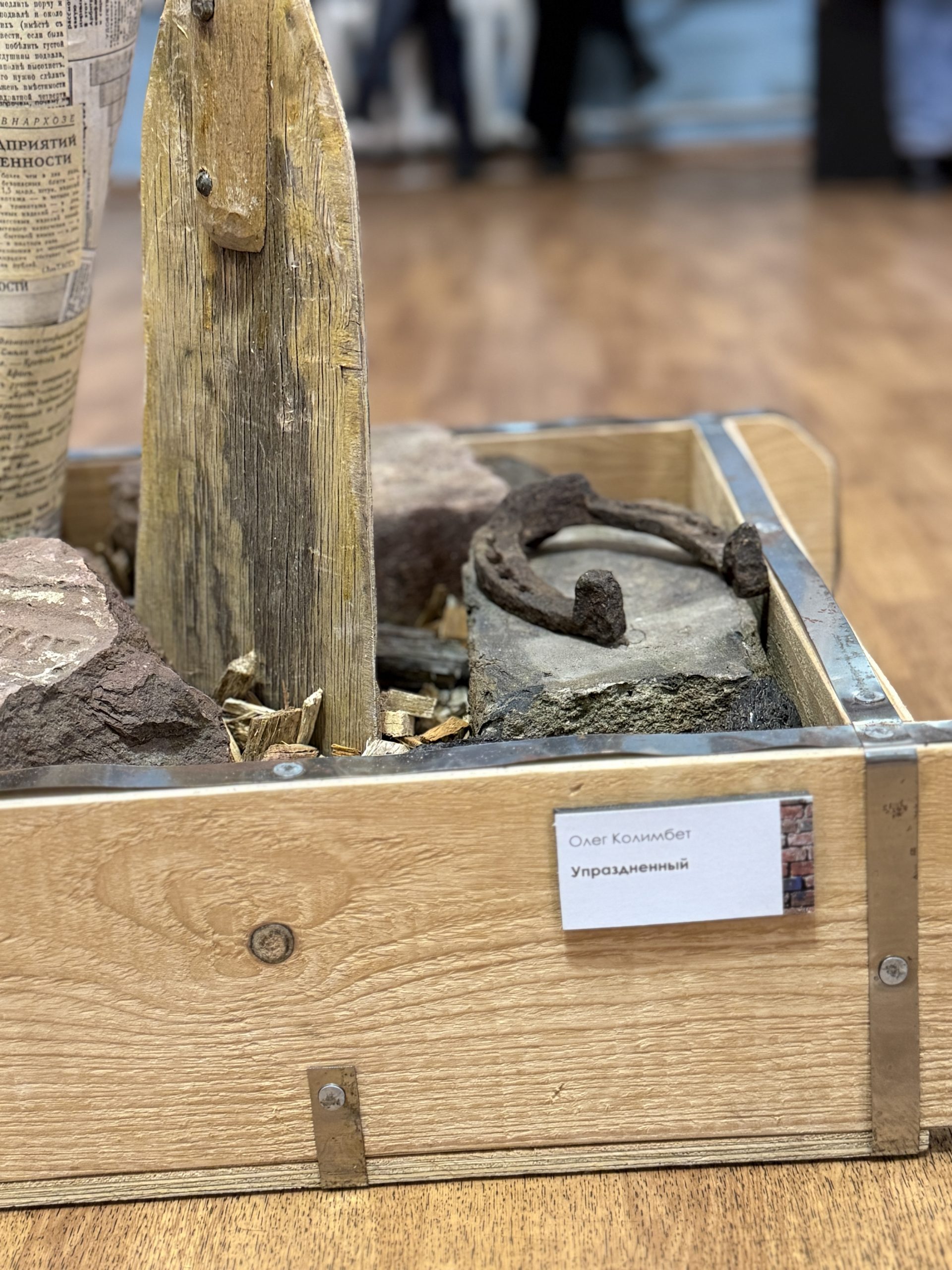
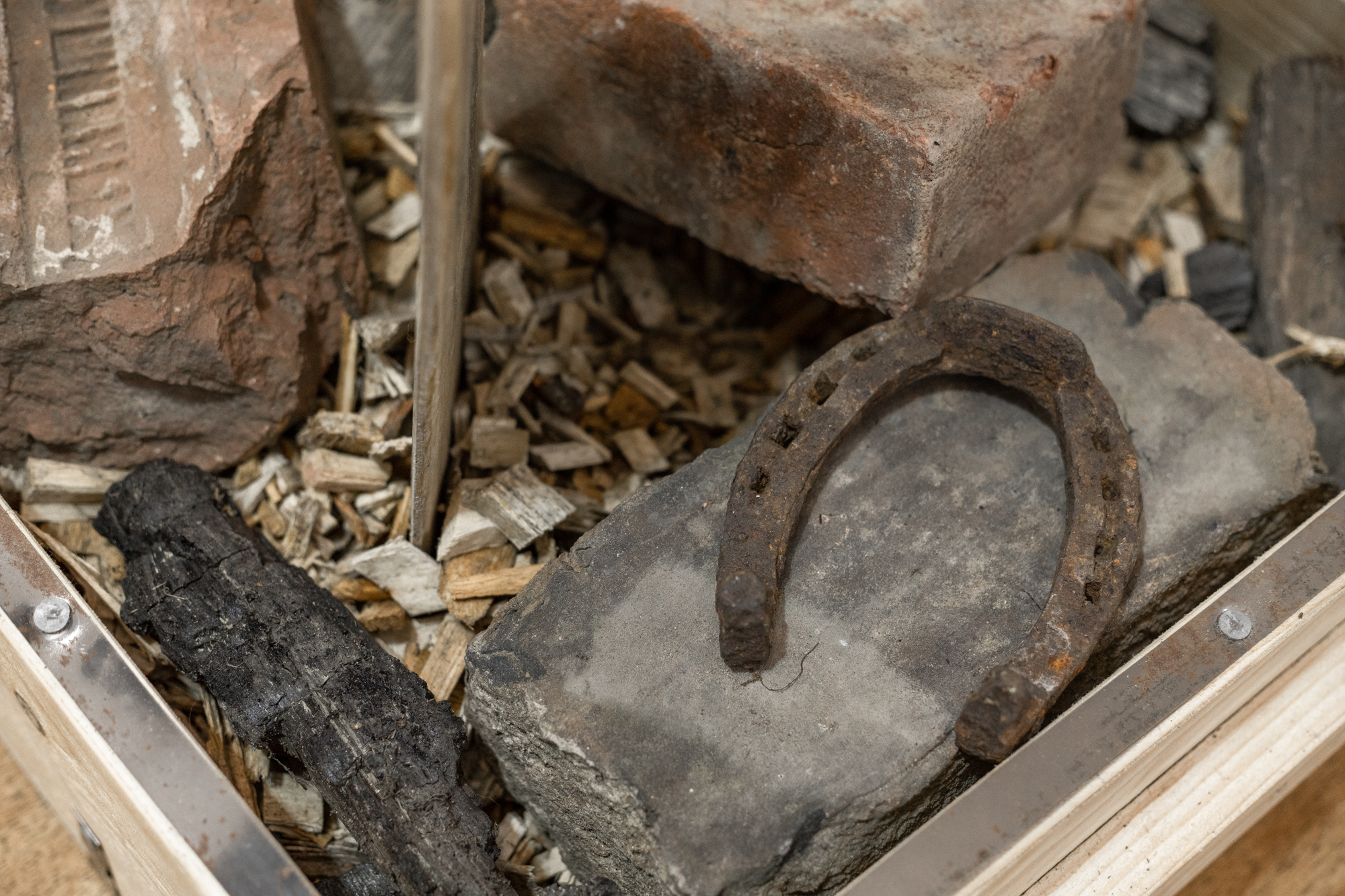
“Abolished” – installation dedicated to former disappeared (along with the last demolished old houses of Ust-Slavyanka) identity of this place, whose local inhabitants were fed by the river and brick production. This is the personified spirit of the place in which the unique features of the abolished village of Ust-Slavyanka, which has determined its perception by local residents for at least the last two centuries, have come together.
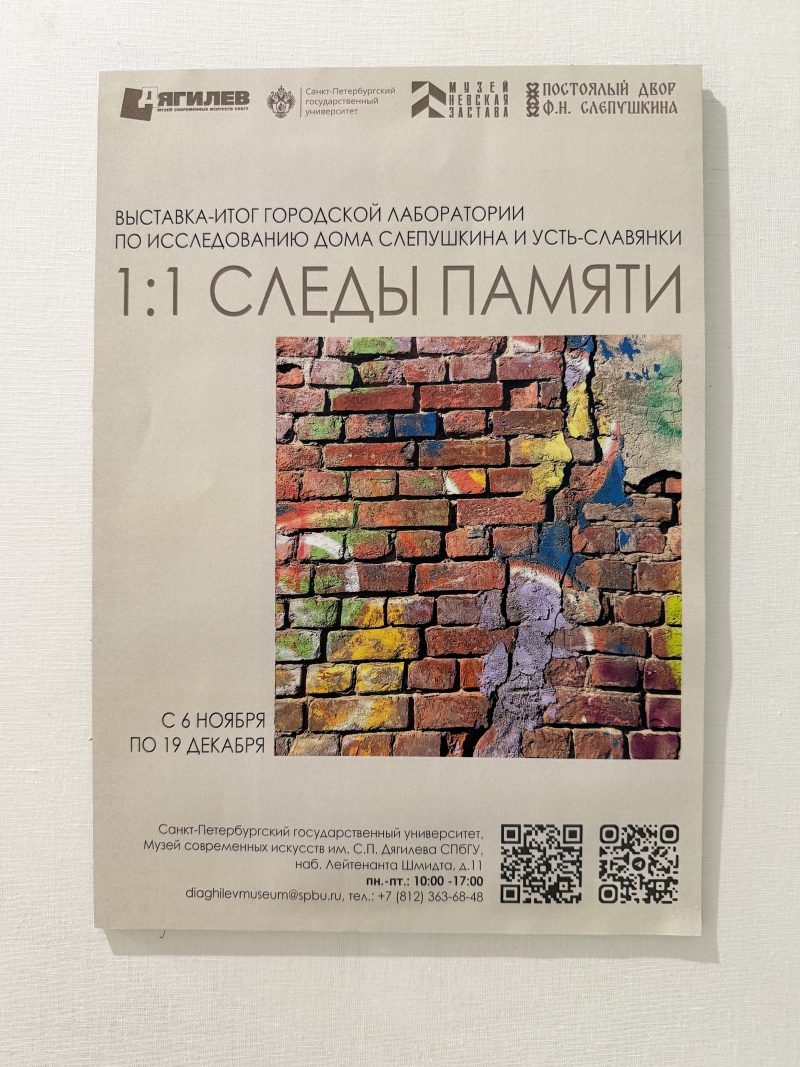
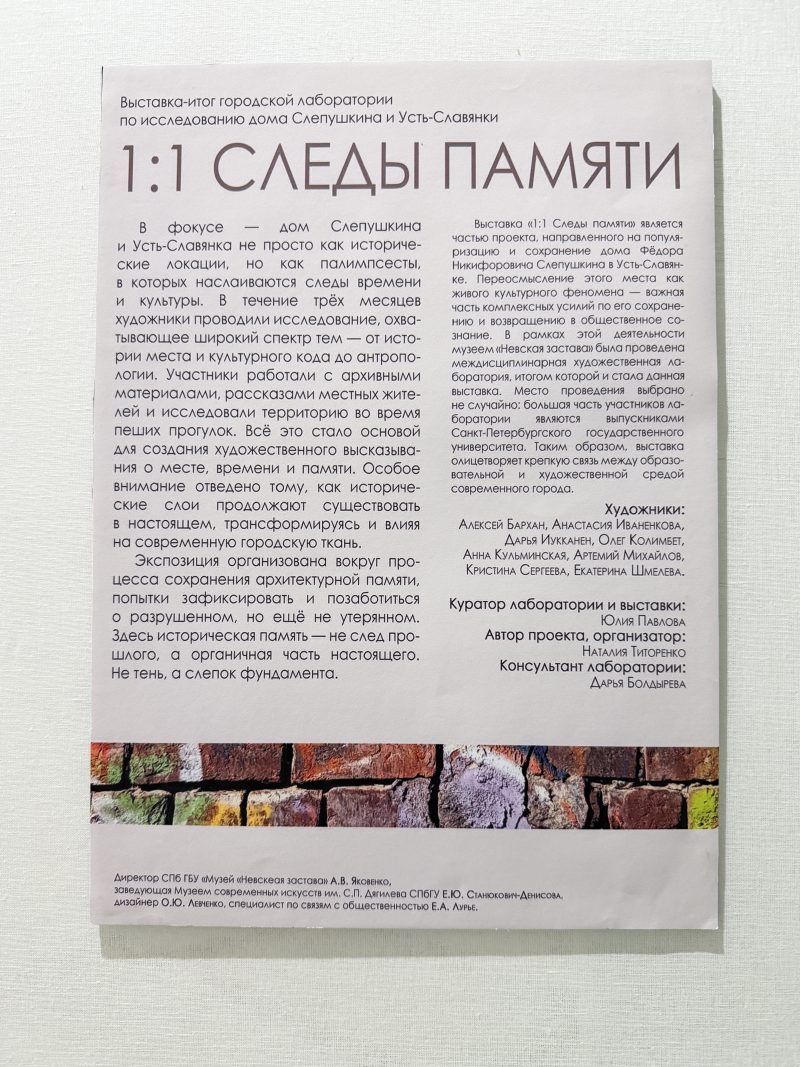
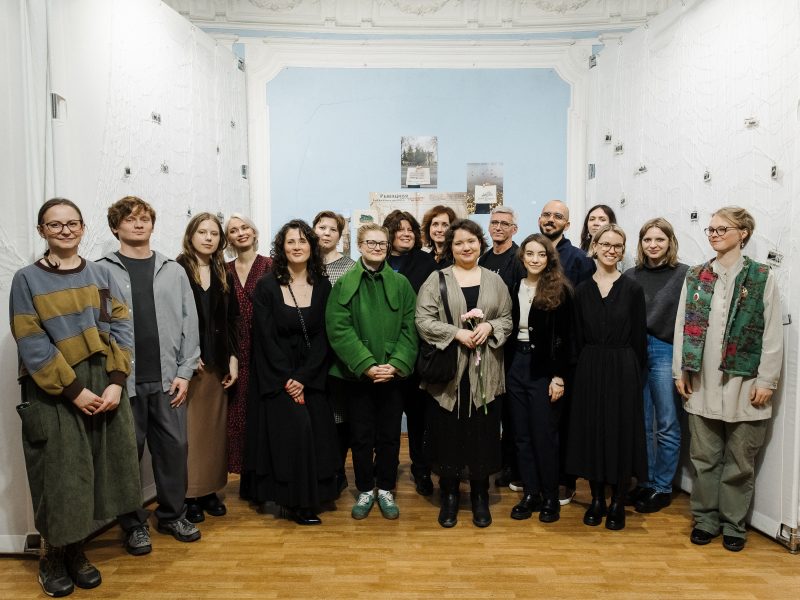
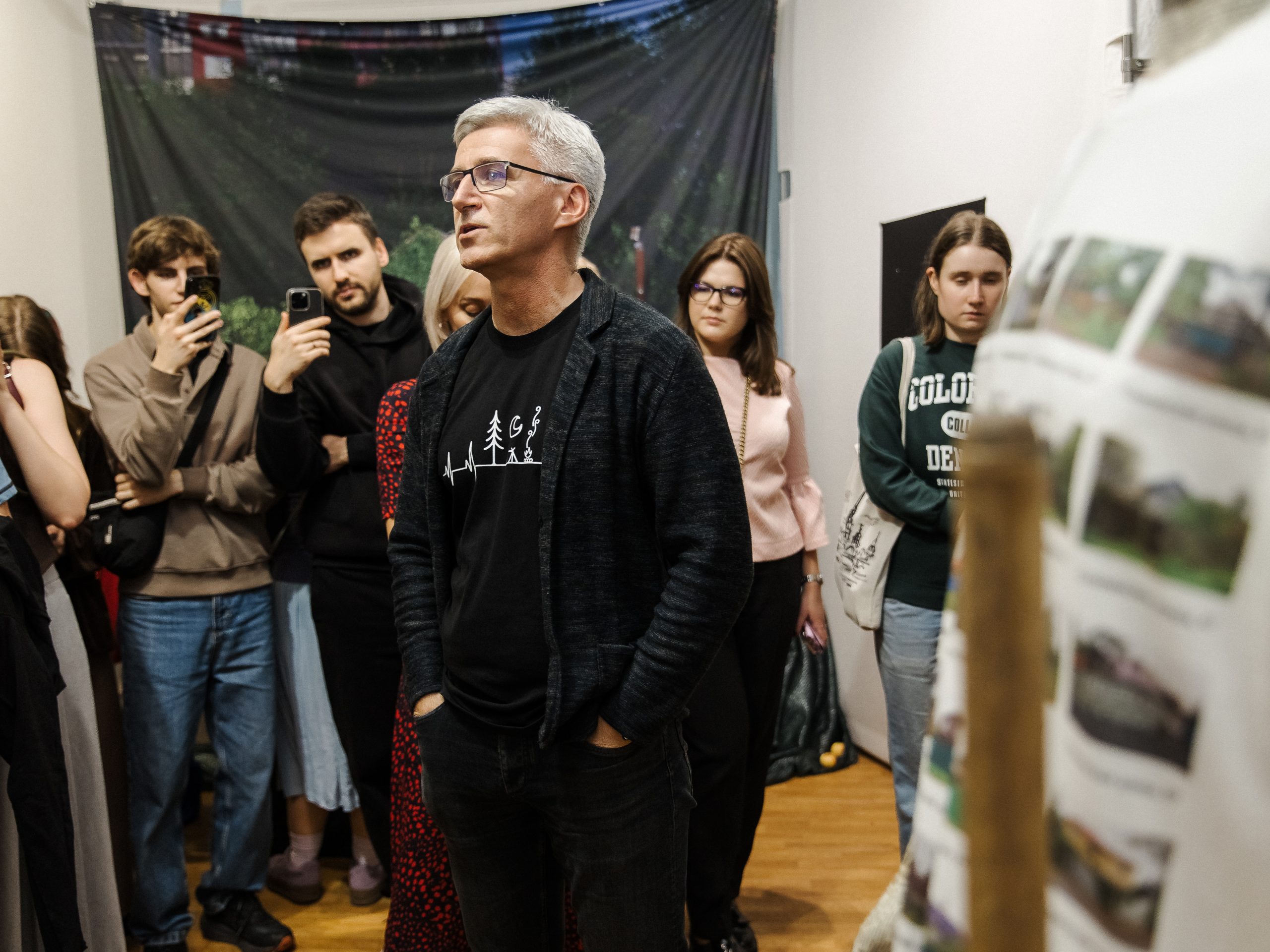
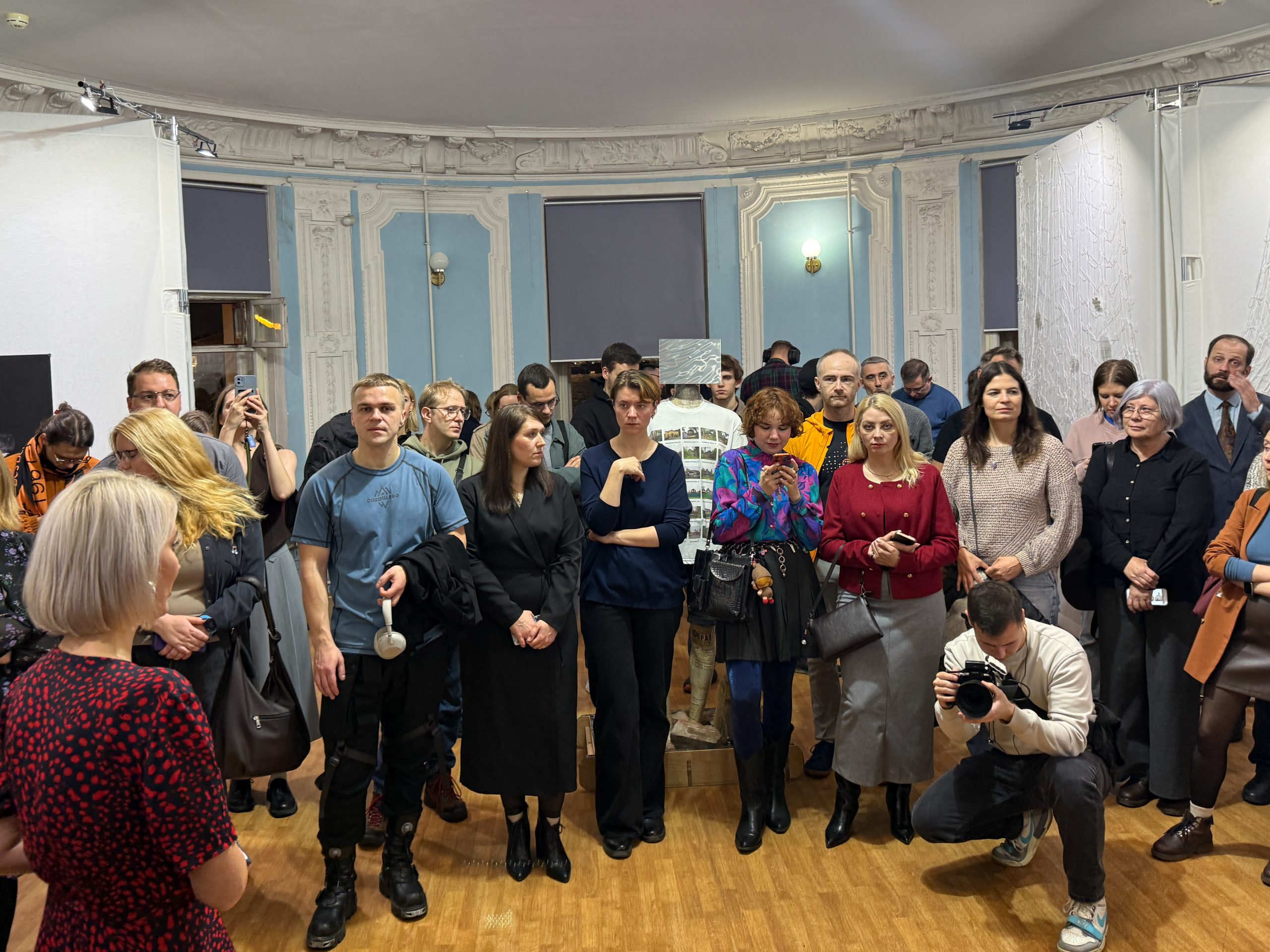
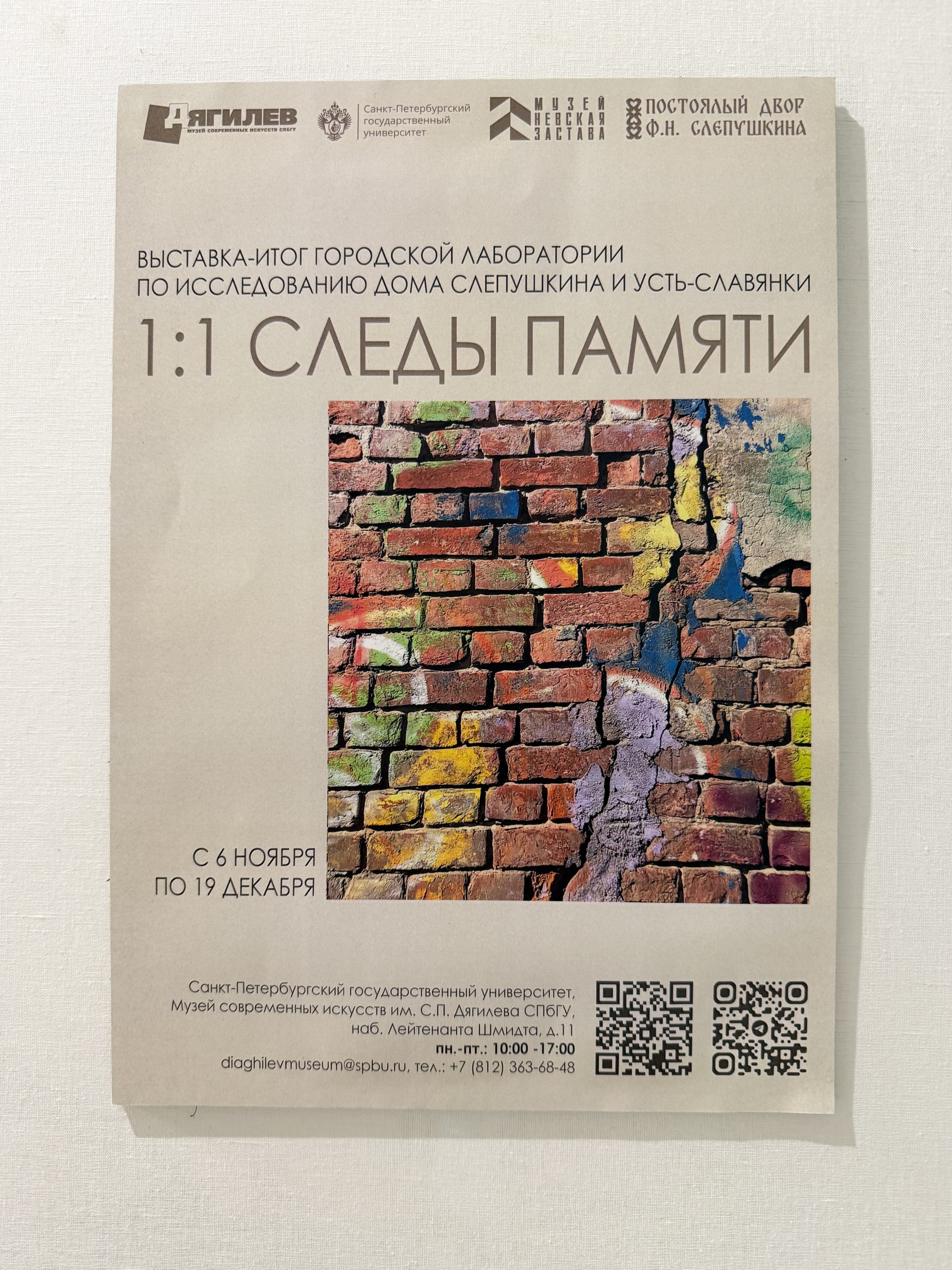
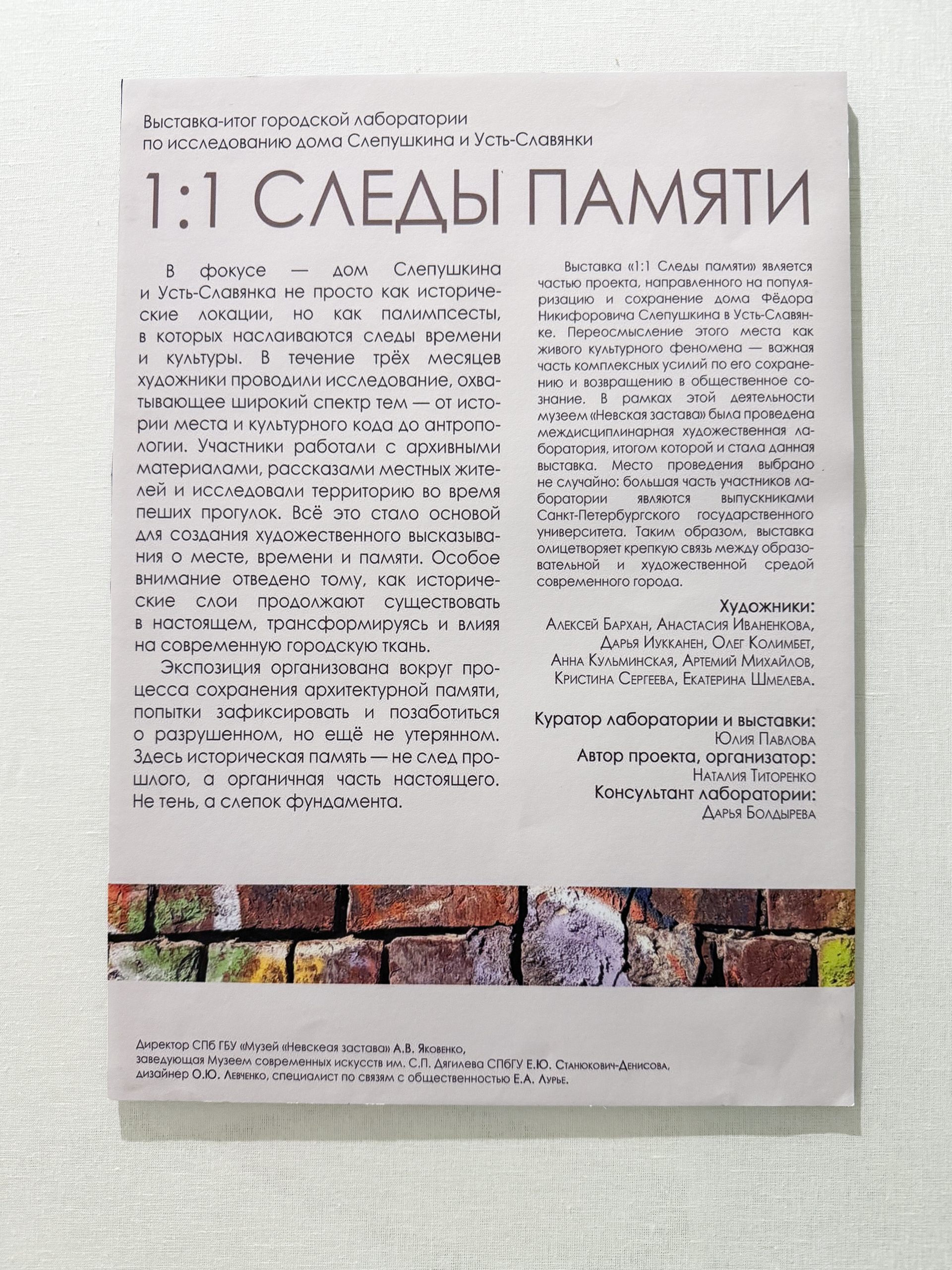
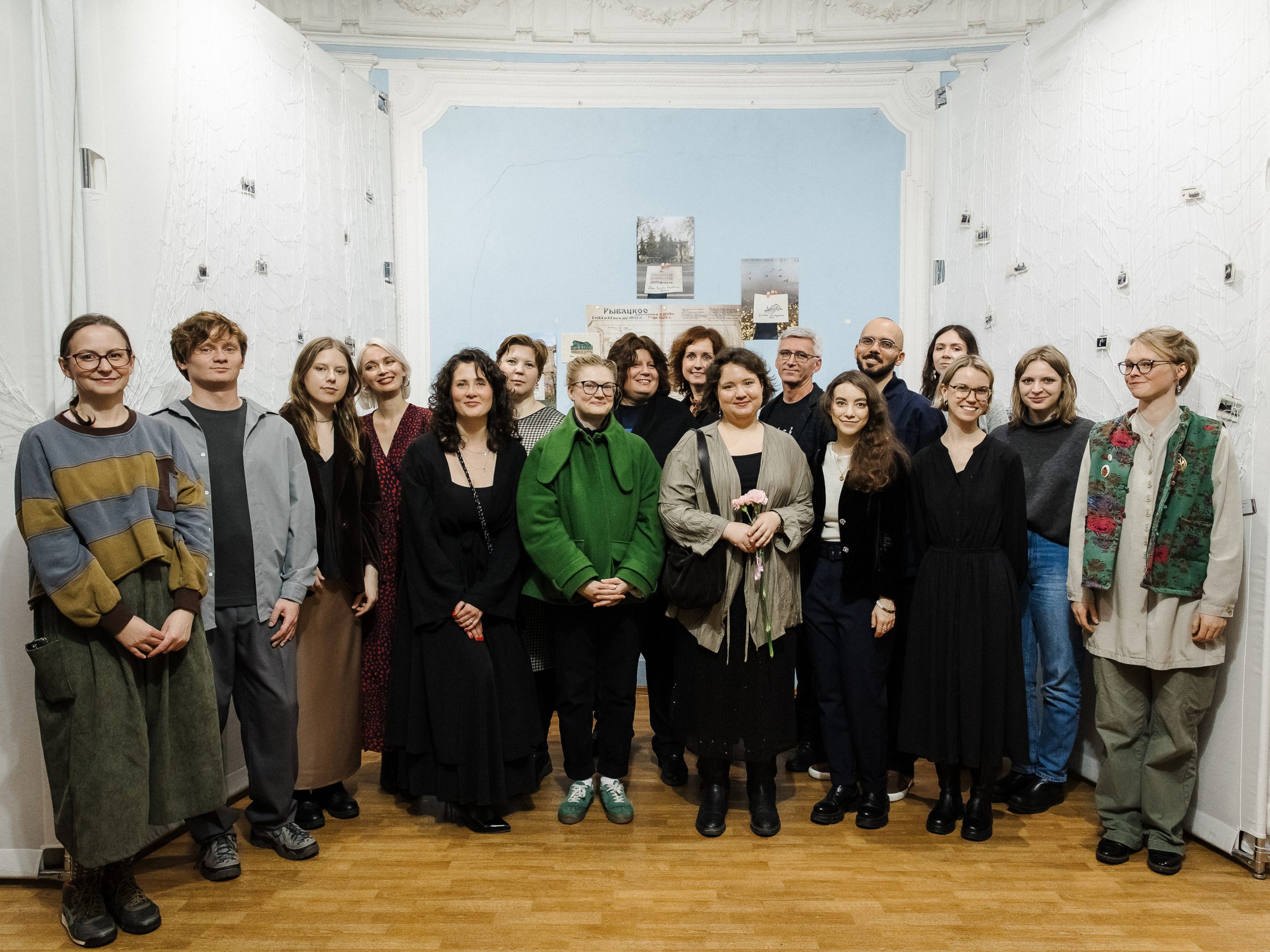
The installation was presented for the first time at the collective exhibition «1:1 Traces of memory» in the Diaghilev Contemporary Art Museum (Saint-Petersburg) in November-December 2025.
The exhibition was the result of a city laboratory held in the summer 2025 as part of the popularization of the cultural heritage object with more than 200-year history «Guest house of F.N. Slepulshkin». Fedor Nikiforovich Slepulshkin – the first owner of the house, a descendant of serf peasants, a merchant, a farmer, a self-taught poet.
Slepulshkin house (1820-1830) – the last surviving historical object of the abolished settlement of Ust-Slavyanka. As part of the renovation of the territory and construction of residential neighborhoods, which became a continuation of the modern housing complex of Rybackoe, almost all low-rise residential buildings were demolished. Including wooden houses of 1872, 1906 and 1913. And from the gardening community «Lenmetrostroy» in Ust-Slavyanka, which existed since 1976, 183 gardeners were evicted.
Since then, Ust-Slavyanka – one of the oldest Russian settlements on the Neva, whose residents once earned by transportation across the river and brick production – ceased to exist not only de jure but also de facto, and was definitively abolished.